
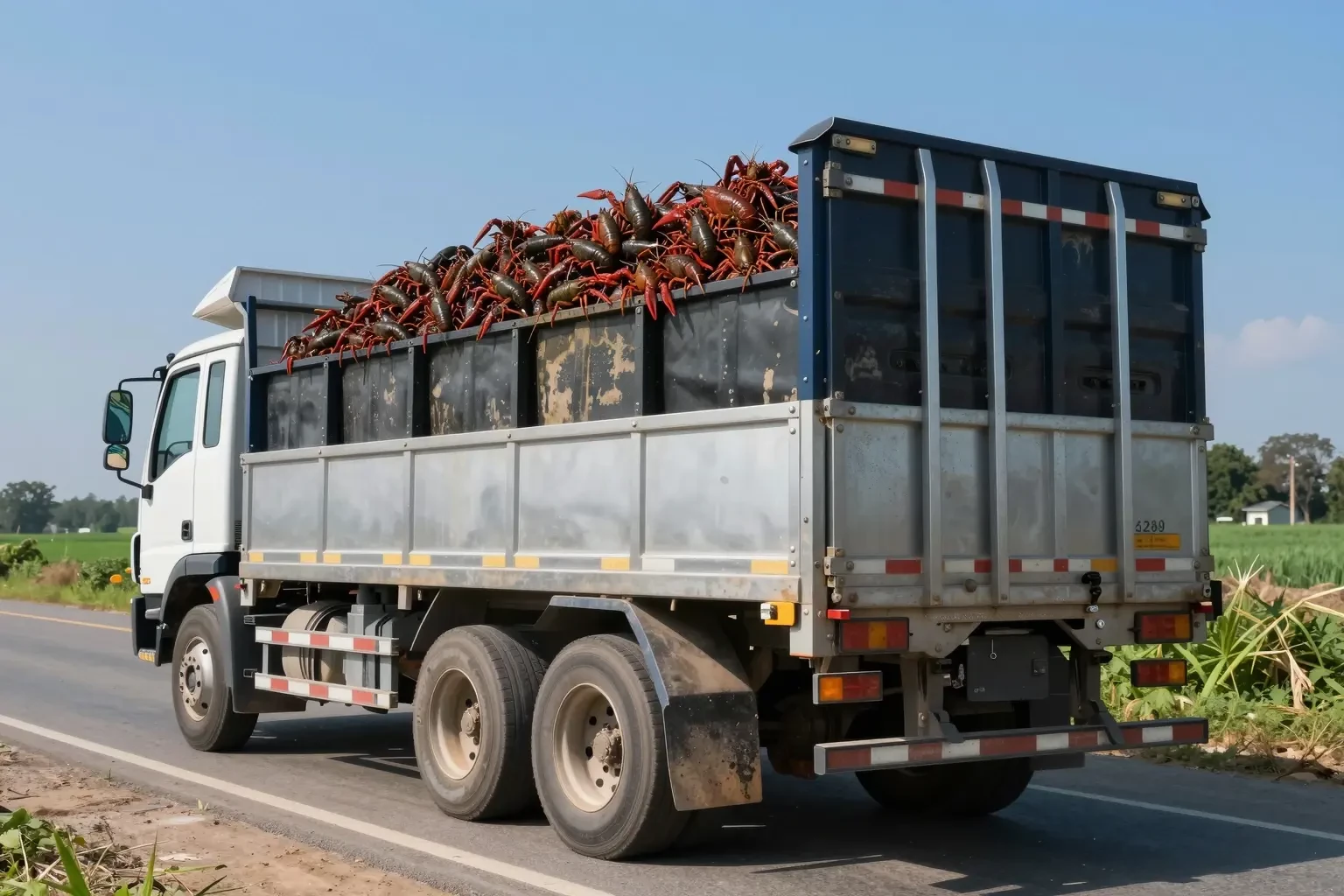
Transporting live crawfish in an open-bed truck is a challenging yet feasible task, particularly crucial for the seafood industry and enthusiasts who demand fresh crawfish. The success of this operation largely depends on several factors including transportation methods, survival rate, temperature control, and logistical planning. This article delves into the critical aspects of transporting live crawfish over distances, offering insights into travel time, handling techniques, and safety measures.
Transportation Methods and Distance
The distance over which live crawfish can be transported effectively in an open-bed truck largely hinges on the transportation methods employed. Generally, crawfish can be transported for distances ranging from a few miles to several hundred miles. However, the primary limiting factor is ensuring that they remain alive and healthy throughout the journey.
Survival Rate and Temperature Control
A key determinant of the survival rate of crawfish during transport is temperature control. Crawfish are sensitive to temperature changes, and maintaining an optimal temperature is crucial. Ideally, the temperature should be kept between 50°F to 60°F. This can be achieved through the use of insulated covers or ice packs that help regulate the temperature within the truck bed.
Moisture Retention and Aeration
Besides temperature, moisture retention is vital for keeping crawfish alive during transit. The open-bed truck should have a system to retain moisture, as crawfish can quickly dehydrate. Covering the crawfish with moist burlap sacks or similar materials can help maintain the necessary humidity levels. Additionally, aeration is critical, as crawfish need a continuous supply of fresh air. This can be facilitated by ensuring the truck bed is well-ventilated, allowing for adequate oxygen supply.
Travel Time and Handling Techniques
Travel time is a significant factor affecting the transport of live crawfish. The longer the journey, the higher the risk of mortality. It is crucial to minimize travel time and to plan routes that avoid excessive stops and traffic delays. Handling techniques also play a role in reducing stress on the crawfish. Gentle handling and minimizing disturbances during loading and unloading can significantly impact their survival rate.
Stress Reduction and Packaging Solutions
Stress is a major concern when transporting live crawfish. To reduce stress, it is important to implement effective packaging solutions. Using crates or containers that provide enough space and ventilation can help reduce stress levels. Ensuring that the crawfish are not overcrowded and have enough room to move can also aid in decreasing stress.
Oxygen Supply and Humidity Levels
An adequate oxygen supply is essential for the survival of crawfish during transport. The open-bed truck should be designed to promote air circulation, ensuring that the crawfish have access to fresh air at all times. Additionally, maintaining optimal humidity levels is crucial, as it prevents the crawfish from drying out and keeps them comfortable throughout the journey.
Travel Conditions and Logistical Planning
The travel conditions during the transportation of live crawfish can greatly affect their survival. It is essential to consider weather conditions, road quality, and traffic patterns when planning the route. Effective logistical planning involves mapping out the most efficient and least stressful route, considering both the welfare of the crawfish and safety measures.
Safety Measures and Environmental Factors
Ensuring the safety of both the crawfish and the transport crew is paramount. Implementing safety measures such as securing the load properly to prevent shifting during transit, and ensuring that the truck is in good condition, can help prevent accidents. Moreover, being aware of environmental factors like temperature changes, humidity, and potential pollutants is vital in safeguarding the crawfish.
Transporting live crawfish in an open-bed truck requires careful consideration of various factors to ensure a high survival rate. By focusing on temperature control, moisture retention, aeration, and effective handling techniques, it is possible to transport crawfish over considerable distances. With meticulous logistical planning and appropriate safety measures, the journey can be made efficiently, ensuring the crawfish arrive at their destination in optimal condition.