
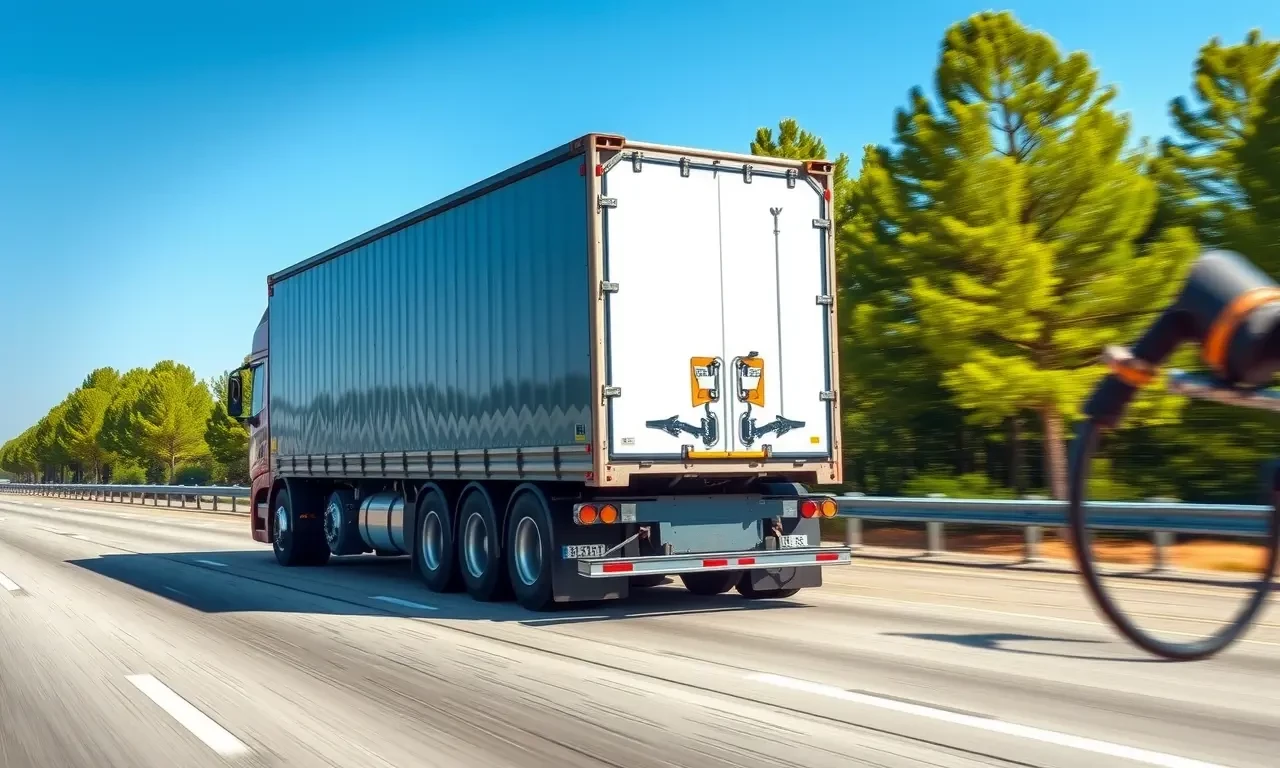
The transportation industry relies heavily on the use of commercial trucks to move goods efficiently across vast distances. One of the key aspects that influences the design and functionality of these vehicles is their length. In this article, we will delve into the intricacies of transport truck length, exploring various factors such as semi-truck dimensions, vehicle regulations, trailer size, and more.
Transport Truck Length and Its Importance
The length of a transport truck is a critical consideration in the logistics and transportation industry. It affects the freight capacity of the vehicle, its maneuverability on roads, and compliance with highway regulations. Understanding the different elements that contribute to the overall length of a truck is essential for trucking companies, logistics professionals, and regulators alike.
Components of Transport Truck Length
Transport trucks, commonly referred to as semi-trucks, consist of two primary components: the tractor unit and the trailer. Each of these components contributes to the overall length of the vehicle.
Tractor Unit
The tractor unit, often simply called the truck or cab, houses the engine and the driver’s compartment. The length of the tractor unit can vary depending on the truck type and axle configuration. Typical tractor units are approximately 10 to 20 feet long.
Trailer
The trailer is the part of the truck that carries cargo. Trailer size varies significantly based on the type of goods being transported and the regulations of the region. Common trailer lengths include 28, 40, 45, 48, and 53 feet. The 53-foot trailer is the most common size used in North America due to its optimal balance between cargo space and road maneuverability.
Vehicle Regulations and Maximum Length
Each country and region has its own vehicle regulations that determine the maximum length of transport trucks allowed on the roads. These regulations are in place to ensure road safety and efficient traffic flow. For example, in the United States, the maximum allowable length of a semi-truck is generally 80 feet, including both the tractor and trailer.
Types of Commercial Trucks
There are several truck types used in the transportation industry, each with specific length characteristics:
- Flatbed Trucks: Used for transporting oversized or irregularly shaped loads. The length can vary, but trailers are typically 48 to 53 feet.
- Refrigerated Trucks: Also known as reefers, these trucks transport perishable goods. The trailer length is usually 48 to 53 feet.
- Tanker Trucks: Designed to transport liquids or gases. These vehicles have varying lengths based on the tank size.
- Box Trucks: Smaller than semi-trucks, often used for local deliveries. The length is typically 10 to 26 feet.
Logistics Standards and Freight Capacity
Logistics standards play a crucial role in determining the freight capacity and efficiency of transport trucks. Larger trailers offer more cargo space, allowing for the transport of more goods in a single trip. This is a key factor for trucking companies aiming to maximize their operational efficiency.
In conclusion, the length of transport trucks is a vital aspect of the transportation industry. It affects everything from logistics standards and freight capacity to road safety and regulatory compliance. By understanding the various factors that influence truck length, industry professionals can make informed decisions to enhance efficiency and safety in their operations.
Whether it’s a semi-truck with a 53-foot trailer or a shorter box truck for local deliveries, the dimensions of these vehicles are carefully designed to meet the diverse needs of the transportation sector while adhering to strict highway regulations.