
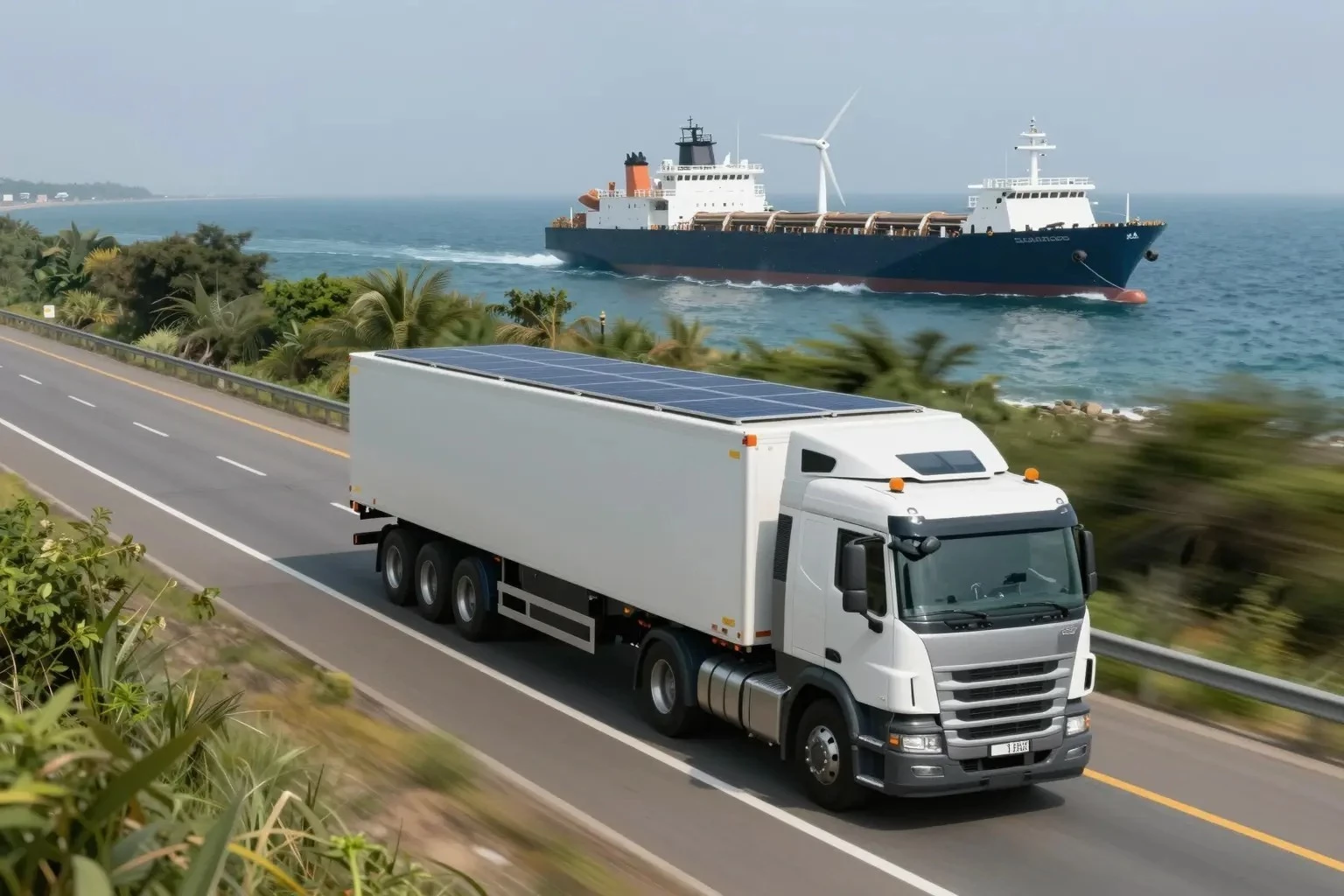
The global transport sector is undergoing a major transformation as the world shifts towards more sustainable transportation methods. One of the biggest challenges is to replace fossil fuels in trucking and shipping transportation, which are significant contributors to carbon emissions. This article explores the potential of renewable energy, electric trucks, and other alternative fuels in achieving a greener future.
The Case for Renewable Energy in Transportation
Renewable energy has become a cornerstone in the pursuit of decarbonization. With advancements in green technology, it’s now possible to harness energy from natural resources like the sun and wind to power transportation. Electric trucks are a prime example of how clean energy can replace traditional diesel engines, significantly reducing carbon emissions;
Electric Trucks: Driving the Change
The development of electric trucks is gaining momentum, driven by improvements in battery technology and energy efficiency. These vehicles offer a promising alternative to diesel-powered trucks, especially for urban freight transport. Companies are investing heavily in logistics solutions that leverage electric vehicles to lower their environmental impact.
Infrastructure Challenges
However, a major hurdle in the widespread adoption of electric trucks is the lack of suitable infrastructure. The need for extensive charging networks and the high cost of batteries are significant barriers. Nonetheless, with government policy support and continued innovation, these challenges can be overcome.
Alternative Fuels: Biofuels and Hydrogen
Besides electrification, alternative fuels like biofuels and hydrogen fuel cells offer viable solutions for decarbonizing the transport sector. Biofuels, derived from organic materials, can be used in existing engines with minimal modifications, providing an immediate reduction in carbon emissions.
Hydrogen Fuel Cells
Hydrogen fuel cells are another promising technology. They offer longer ranges and faster refueling times compared to electric batteries. However, the production and distribution of hydrogen require substantial investments in new infrastructure and technology.
Impacts on Freight Transport and Supply Chain
The transition to clean energy in freight transport has profound implications for the supply chain. Companies must adapt their logistics strategies to incorporate new vehicle technologies and fuel types. This shift is not only crucial for reducing environmental impact but also for maintaining competitive advantages in an increasingly eco-conscious market.
Government Policy and Industry Innovation
Government policy plays a pivotal role in facilitating this transition. Incentives for adopting green technology and stricter emissions regulations are essential to drive industry adoption. Furthermore, continuous innovation in vehicle design and fuel technology will be critical in overcoming current limitations.
Replacing fossil fuels in trucking and shipping is a complex yet achievable goal. Through the combined efforts of renewable energy solutions, electric trucks, alternative fuels, and supportive government policy, the transportation industry can significantly mitigate its environmental impact. While challenges remain, the path towards sustainable transportation is clearer than ever, promising a cleaner, more efficient future for global freight transport.