
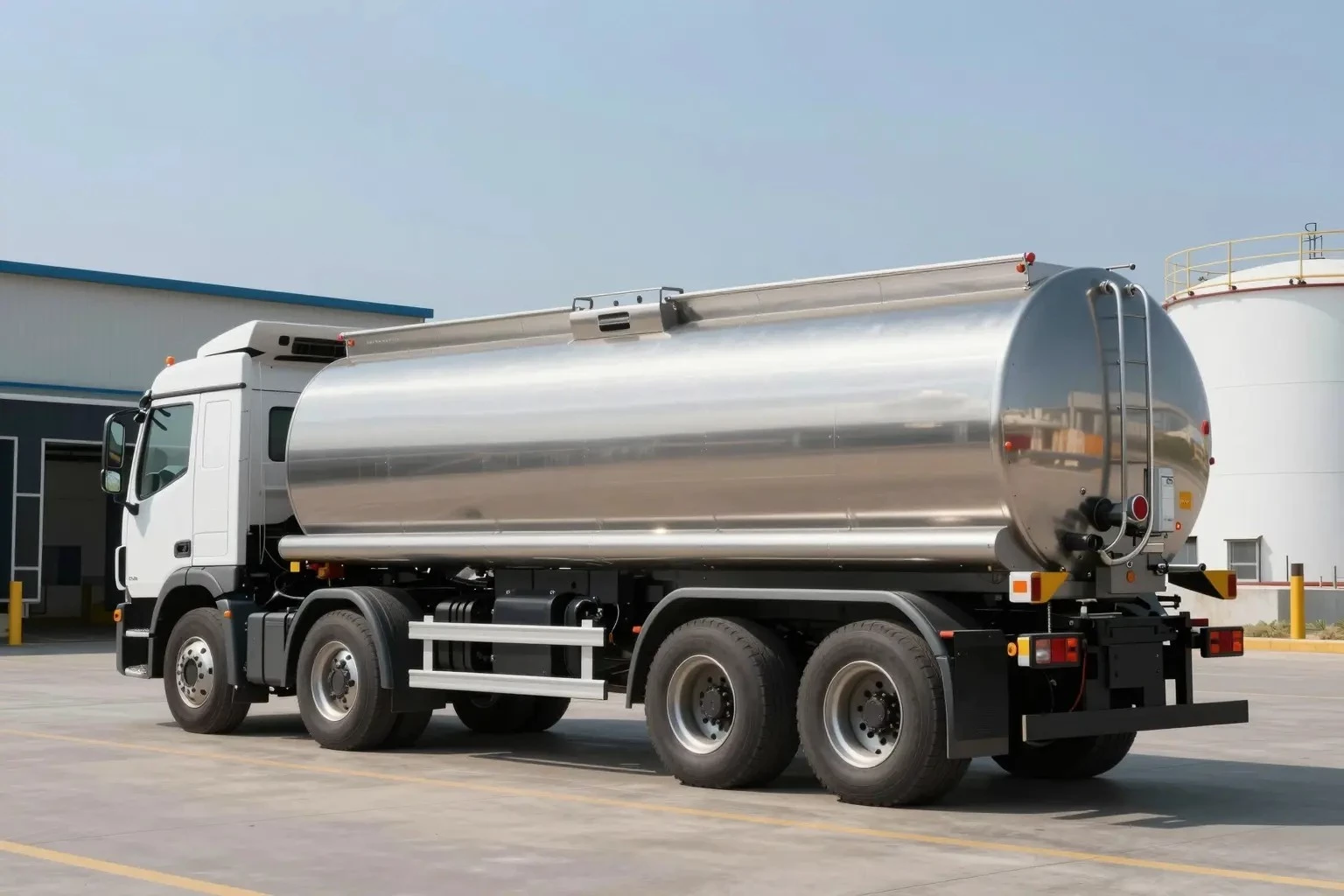
The transportation of orange juice, a staple in the beverage industry, poses unique challenges and opportunities. One of the primary methods of bulk transport for liquid cargo like orange juice is via tanker trucks. This article delves into the logistics, food safety, and preservation methods involved in this process, ensuring the product reaches consumers in optimal condition.
The Role of Tanker Trucks in Bulk Transport
Tanker trucks are a critical component in the logistics chain for transporting liquid cargo. Designed to carry large volumes of liquids, these vehicles are equipped to handle products like orange juice efficiently. The use of tanker trucks allows for the movement of orange juice from production facilities to distribution centers, and eventually to retail outlets.
Logistics and Distribution
Transportation logistics for orange juice involves a well-coordinated supply chain. Tanker trucks often travel long distances from orchards and processing plants to various distribution points. The efficiency of this transportation method is vital in maintaining the quality and freshness of the juice. Proper logistics planning ensures timely delivery and minimizes the risk of delays that could affect the product’s quality.
Food Safety and Tanker Truck Standards
When transporting food products like orange juice, adhering to stringent food safety standards is essential; Tanker trucks used for this purpose must be constructed of materials that prevent contamination and are easy to clean. Stainless steel is commonly used due to its durability and resistance to corrosion.
Sanitation and Contamination Prevention
Maintaining cleanliness in tanker trucks is crucial to prevent contamination. Regular sanitation procedures are mandatory, including thorough cleaning and sterilization before and after each load. Implementing these measures helps ensure that orange juice remains safe for consumption upon reaching its destination;
Preservation and Temperature Control
Preservation of orange juice during transportation is primarily achieved through effective temperature control. Tanker trucks are often equipped with refrigeration systems to maintain the juice at a stable temperature, preventing spoilage and preserving its nutritional value. The ideal temperature for transporting orange juice is just above freezing to ensure freshness upon delivery.
Storage and Handling
Proper storage within the tanker is essential to maintain the quality of the orange juice. The design of the tanks often includes features that minimize air exposure, which can lead to oxidation and degradation of the juice. Additionally, careful handling during loading and unloading processes is vital to prevent any physical damage or loss of product.
Challenges in the Beverage Industry
The beverage industry faces numerous challenges in transporting perishable goods like orange juice. Fluctuating temperatures, potential contamination, and logistical hurdles are just a few of the issues that must be managed effectively. However, with the proper infrastructure and adherence to safety protocols, these challenges can be mitigated.
Supply Chain Management
Effective supply chain management is crucial for ensuring the continuous availability of orange juice to consumers. This involves not only the transportation logistics but also coordination with suppliers, distributors, and retailers to maintain a steady flow of products.