
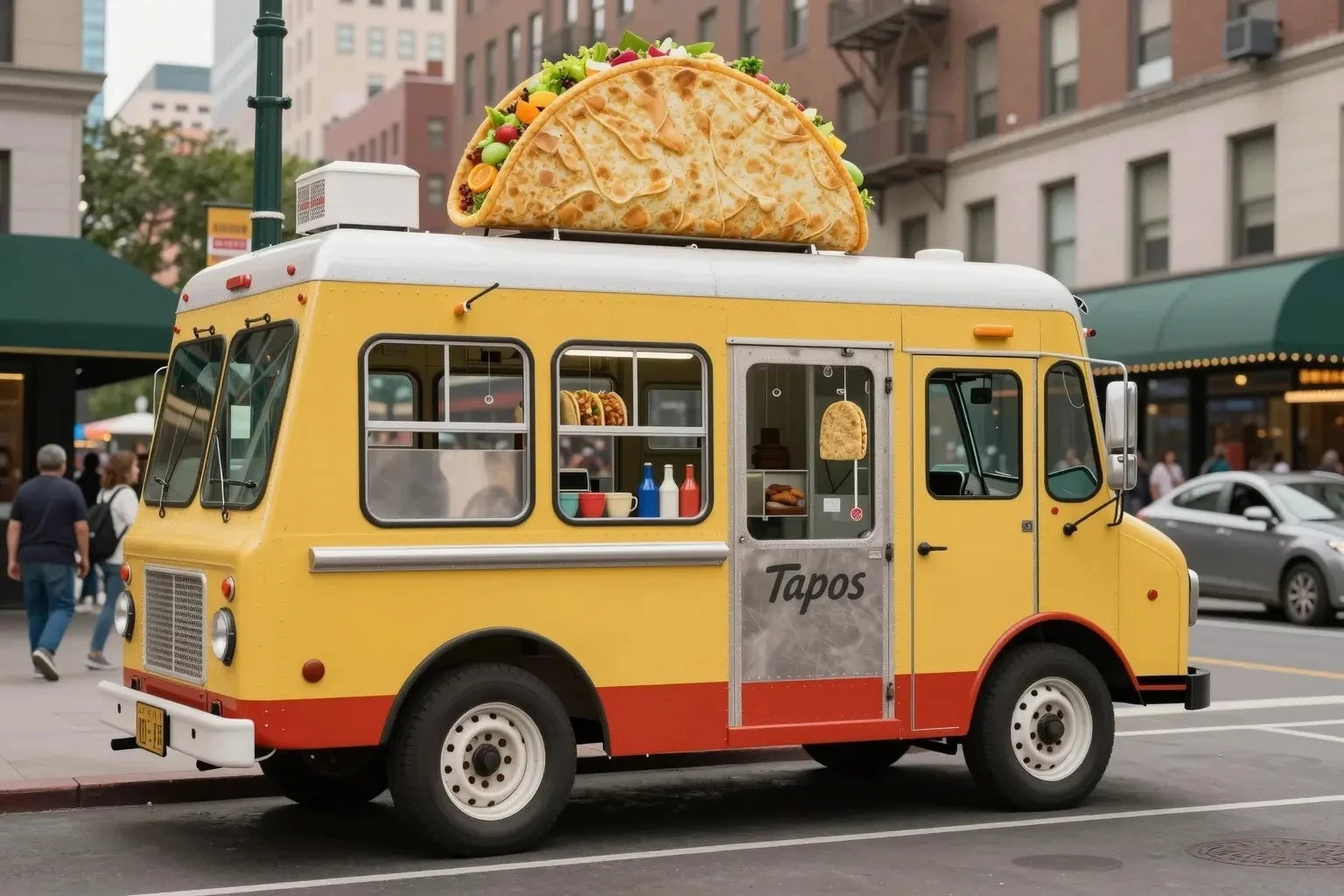
Owning a taco truck can be an enticing prospect, not just for selling delicious street food but also as a unique mode of transportation. However, the idea of using a food truck solely for personal transportation comes with its own set of legal considerations and regulatory challenges. This article explores the intricacies surrounding the ownership and use of a food truck, specifically a taco truck, purely for transportation purposes.
Food Truck Regulations
The primary purpose of a food truck is to operate as a mobile business, serving food to customers in various locations. As such, food trucks are subject to a host of food truck regulations designed to ensure food safety, public health, and orderly business operation. These regulations typically cover everything from food safety compliance to operational permits and local ordinances.
Licensing Requirements
To operate a food truck, you need to comply with specific licensing requirements. This includes obtaining a business license, health department permits, and possibly a zoning permit if you plan to operate in specific areas. These licenses ensure that your truck meets the health and safety standards expected of a commercial vehicle.
Transportation Laws and Vehicle Registration
Even if you intend to use the taco truck for personal use, you must adhere to transportation laws and ensure proper vehicle registration. This involves registering the truck as a commercial vehicle, given its size and design, and meeting any relevant DOT regulations concerning its operation on public roads.
Legal Considerations
While you can legally own a taco truck for transportation, there are several legal considerations to keep in mind; These include ensuring the truck’s compliance with all relevant laws and regulations, acquiring necessary insurance coverage, and understanding the implications of using a vehicle designed for commercial purposes as a personal transport solution.
Insurance Coverage
Insurance is a critical component of owning a food truck. You must have adequate insurance coverage to protect against potential liabilities, accidents, and damages. Commercial vehicle insurance policies are typically more comprehensive than personal vehicle policies, considering the unique risks associated with operating a food truck.
Vehicle Modifications and Custom Vehicles
Many food trucks, including taco trucks, are custom vehicles with specific modifications to accommodate cooking equipment and storage. If you plan to use the truck for transportation, you’ll need to consider whether any vehicle modifications are necessary to comply with road safety standards and ensure the truck’s functionality for personal use.
Permits and Zoning Laws
Operating a food truck requires various permits and adherence to zoning laws. While these are typically focused on business operations, they can also impact your ability to use the truck in certain areas as a personal vehicle. For instance, some municipalities may have municipal codes that restrict the parking of commercial vehicles in residential areas.
Transportation Permits
To legally drive a taco truck on public roads, you may need specific transportation permits. These permits ensure that your vehicle complies with local and state transportation laws, including weight limits and emissions standards. Ensuring compliance with these permits is crucial to avoid fines and penalties.
Food Service Laws
Although using a taco truck solely for transportation may not involve serving food, you must still be aware of food service laws if you ever decide to use it for its intended purpose. These laws govern food preparation, storage, and handling, ensuring public health and safety.
In conclusion, while you can legally own and use a taco truck for personal transportation, there are numerous regulatory and legal hurdles to navigate. From vehicle registration and insurance coverage to licensing requirements and zoning laws, compliance with all applicable regulations is essential. Entrepreneurs considering such a venture should carefully weigh the benefits against the potential challenges and obligations involved. Ultimately, owning a taco truck for transportation can be a unique and exciting endeavor, provided that all legal considerations are adequately addressed.