
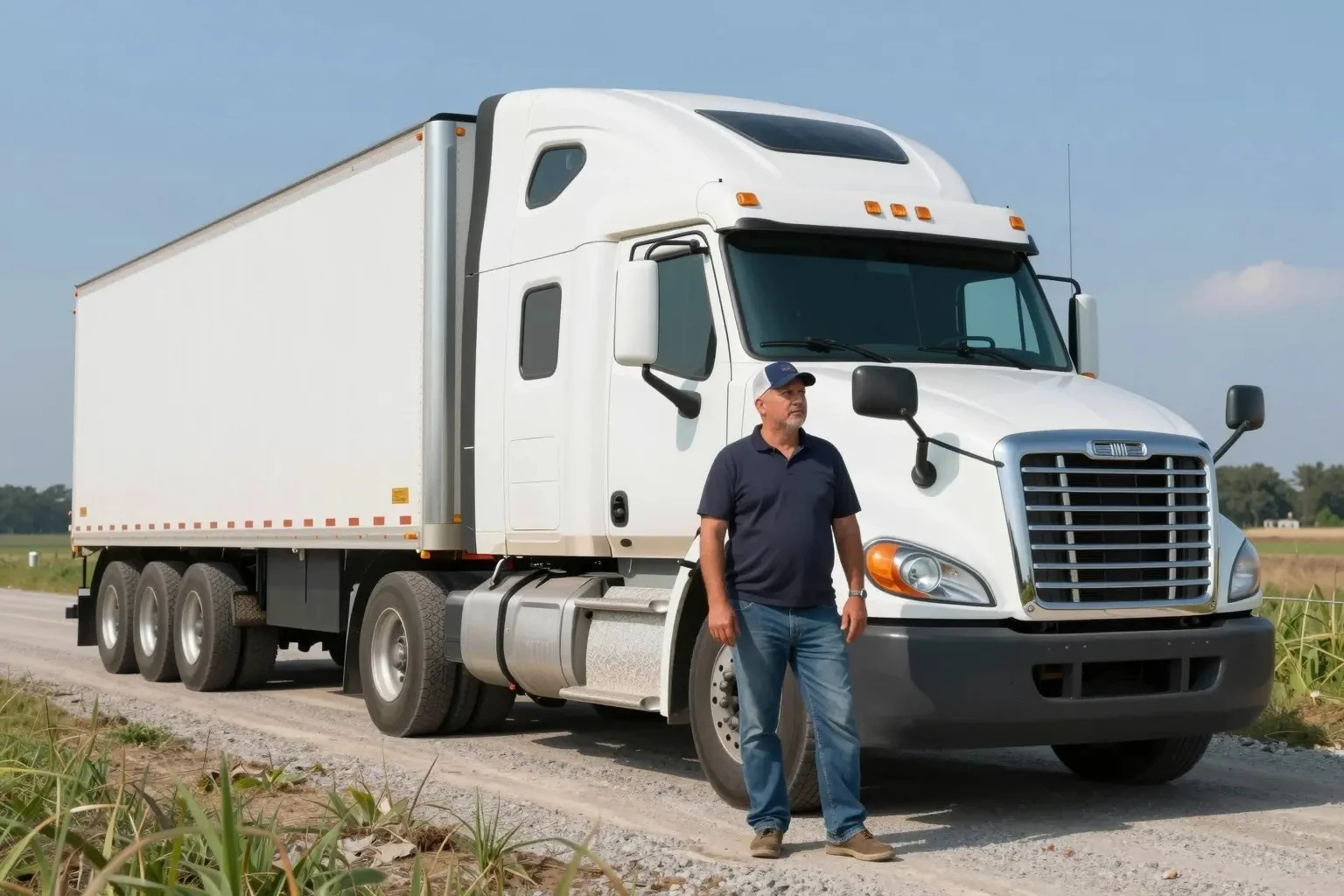
The trucking industry is a cornerstone of the transportation sector‚ offering vital services in freight and logistics. For those looking to establish their own trucking business‚ acquiring a transportation authority is a critical step. This article will guide you through the process of obtaining your own authority‚ focusing on key elements such as compliance‚ permits‚ insurance‚ and regulatory requirements.
Understanding Transportation Authority
Transportation authority‚ often referred to as operating authority‚ allows trucking companies to transport goods across state lines. It is a legal requirement for engaging in interstate commerce‚ ensuring that carriers adhere to safety and insurance standards set by the Federal Motor Carrier Safety Administration (FMCSA).
Steps to Obtain Your Transportation Authority
-
Register Your Business
Before you can apply for your transportation authority‚ you need to register your trucking business. This involves choosing a business structure (such as a sole proprietorship‚ partnership‚ or corporation) and registering with your state’s Secretary of State office. Proper registration is crucial for tax purposes and legal compliance.
-
Obtain a DOT Number
The Department of Transportation (DOT) number is a unique identifier assigned to your trucking business. It is required for companies operating commercial vehicles involved in interstate commerce. You can apply for a DOT number through the FMCSA website.
-
Apply for an MC Number
An MC (Motor Carrier) number grants you authority to transport regulated commodities in interstate commerce. The MC number is obtained through the FMCSA. It’s important to note that different types of MC numbers exist depending on the nature of your freight operations.
-
Secure Insurance
Insurance is a mandatory aspect of operating a trucking business. You need liability insurance to cover damages in case of accidents. Depending on your cargo‚ additional insurance might be required. Ensure that your insurance meets FMCSA standards.
-
Comply with Regulatory Requirements
Compliance with FMCSA regulations is essential for maintaining your transportation authority. This includes adhering to safety standards‚ maintaining vehicle and driver records‚ and ensuring that your commercial vehicles are regularly inspected.
-
Pay the Unified Carrier Registration (UCR) Fee
The UCR fee is an annual fee that must be paid by motor carriers involved in interstate commerce. It funds transportation-related safety programs and ensures compliance with federal regulations.
-
Obtain Necessary Permits
Depending on the states and regions you plan to operate in‚ additional permits may be required. These permits are crucial for legal operations and can include oversize/overweight permits or fuel tax permits.
Leveraging Load Boards and Logistics
Once your transportation authority is secured‚ utilizing load boards can help your trucking business find freight opportunities. These platforms connect carriers with shippers‚ offering a variety of cargo options to keep your trucks moving efficiently.
Challenges and Considerations for Owner-Operators
Being an owner-operator in the trucking industry comes with unique challenges. Managing compliance‚ ensuring timely freight delivery‚ and maintaining commercial vehicles are ongoing tasks that require attention to detail.
Balancing Costs and Profits
The trucking business involves balancing operational costs such as fuel‚ maintenance‚ and insurance with income from freight contracts. Effective budgeting and cost management are essential for profitability.
Staying Updated with Industry Changes
The transportation industry is subject to regulatory changes. Staying informed about new laws‚ safety standards‚ and technological advancements is crucial for maintaining compliance and competitiveness.
Acquiring your own trucking transportation authority is a significant step in establishing a successful trucking business. By following the steps outlined above‚ you can ensure compliance with FMCSA regulations‚ secure necessary permits‚ and position your business for growth in the competitive logistics sector. With a focus on regulatory requirements‚ insurance‚ and efficient operations‚ owner-operators can thrive in the dynamic world of trucking.