
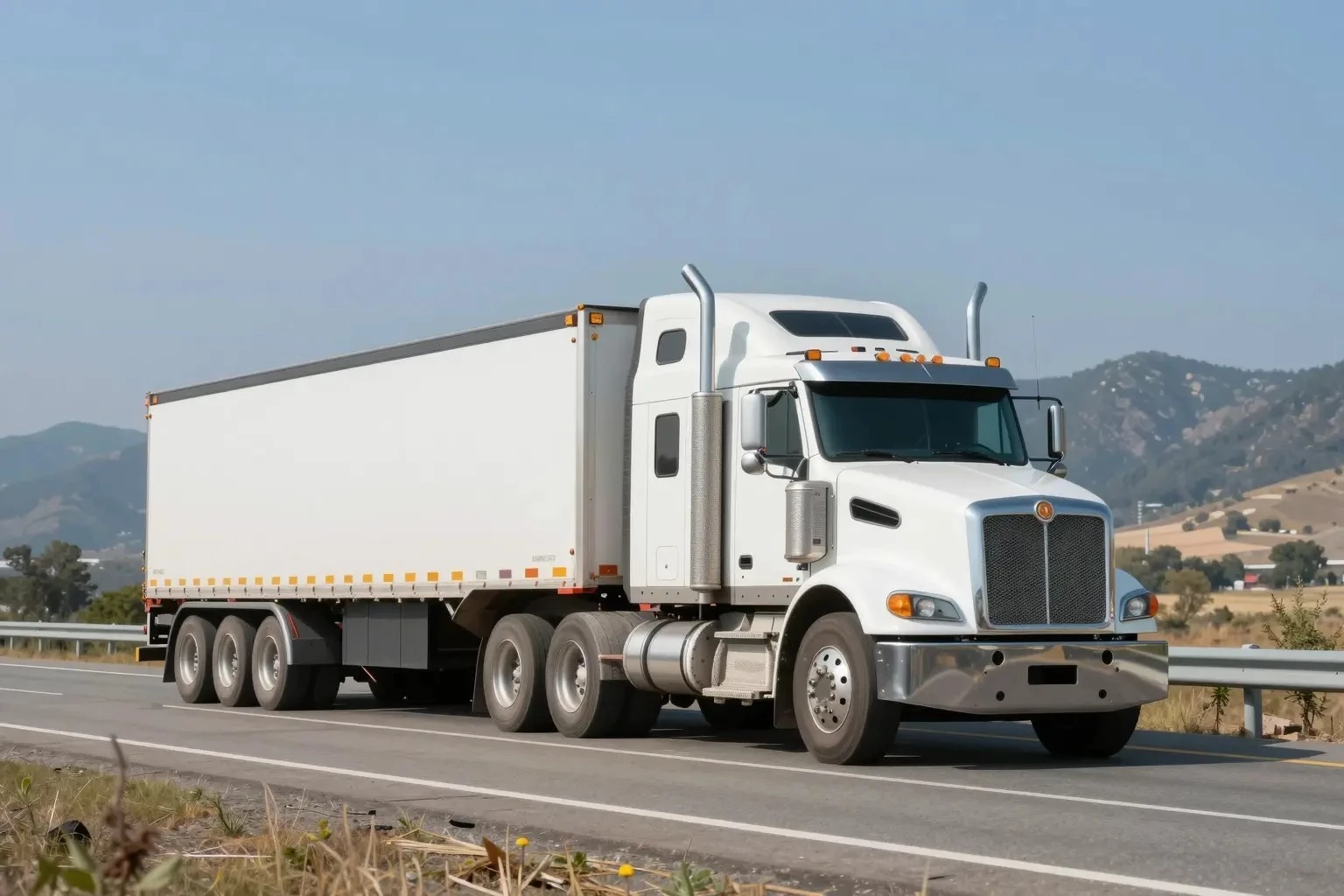
Transporting haul trucks, a crucial component of heavy machinery, is a complex process involving multiple steps and considerations. These trucks are essential in industries like mining and construction, where their ability to carry large loads is invaluable. However, their sheer size and weight pose significant challenges when it comes to transportation. This article delves into the intricacies of transporting haul trucks, focusing on logistics, transportation regulations, and specialized equipment.
Logistics and Planning
Effective logistics are the backbone of successfully transporting haul trucks. The process begins with route planning, which is essential to identify the most efficient and safe paths. Given the size of haul trucks, not all roads can accommodate them, necessitating precise planning to avoid infrastructure that cannot support such weight or dimensions. The logistics team must account for factors like road width, bridge capacities, and road surface conditions.
The Role of Flatbed Trailers and Oversize Loads
Flatbed trailers are the primary vehicles used in the transportation of haul trucks. These trailers are designed to handle oversize loads, offering a stable platform with the necessary structural integrity. The trailers must be carefully matched to the dimensions and weight of the haul truck to ensure safe transport.
Transportation Regulations and Shipping Permits
Compliance with transportation regulations is mandatory when dealing with oversize loads. Authorities require shipping permits that specify the allowable dimensions and weights for road transport. These permits are crucial to ensure that the transportation does not compromise road safety or infrastructure;
Escort and Pilot Vehicles
To facilitate the safe movement of oversize loads, the use of pilot vehicles and escort vehicles is often mandated. These vehicles help in navigating through traffic, warn other road users, and assist in maneuvering around tight corners or complex road sections.
Loading Process and Securement Techniques
The loading process is critical in the transportation of haul trucks. Using crane lifts or similar heavy lifting equipment, the trucks are carefully loaded onto the trailers. Proper weight distribution is essential to prevent the trailer from tipping or becoming unstable. Securement techniques such as chains and straps are employed to fasten the truck securely, ensuring it remains stationary throughout the journey.
Disassembly for Transportation
In some cases, haul trucks might be disassembled to meet transportation regulations or to fit road dimensions. Disassembly involves removing components like wheels or buckets, which are then transported separately. This process requires meticulous attention to detail to ensure all parts are correctly reassembled upon delivery.
Specialized Carriers and Freight Companies
Specialized carriers with expertise in heavy machinery transportation are often employed for such tasks. These carriers are adept at handling complex logistics and ensuring compliance with all regulatory requirements. A reputable freight company will provide the necessary resources and knowledge to transport haul trucks efficiently and safely.
Highway Transport and Safety Protocols
During highway transport, adherence to safety protocols is non-negotiable. These protocols include regular inspections of the securement, monitoring for any signs of instability, and maintaining communication with pilot vehicles. Ensuring the safety of both the transport crew and other road users is paramount.
The Haulage Industry’s Best Practices
The haulage industry follows best practices developed over years of experience. These include regular training for drivers and operators, investment in high-quality equipment, and continuous improvement in logistics strategies. Staying updated with the latest regulations and technological advancements is crucial to maintaining efficiency and safety standards.