
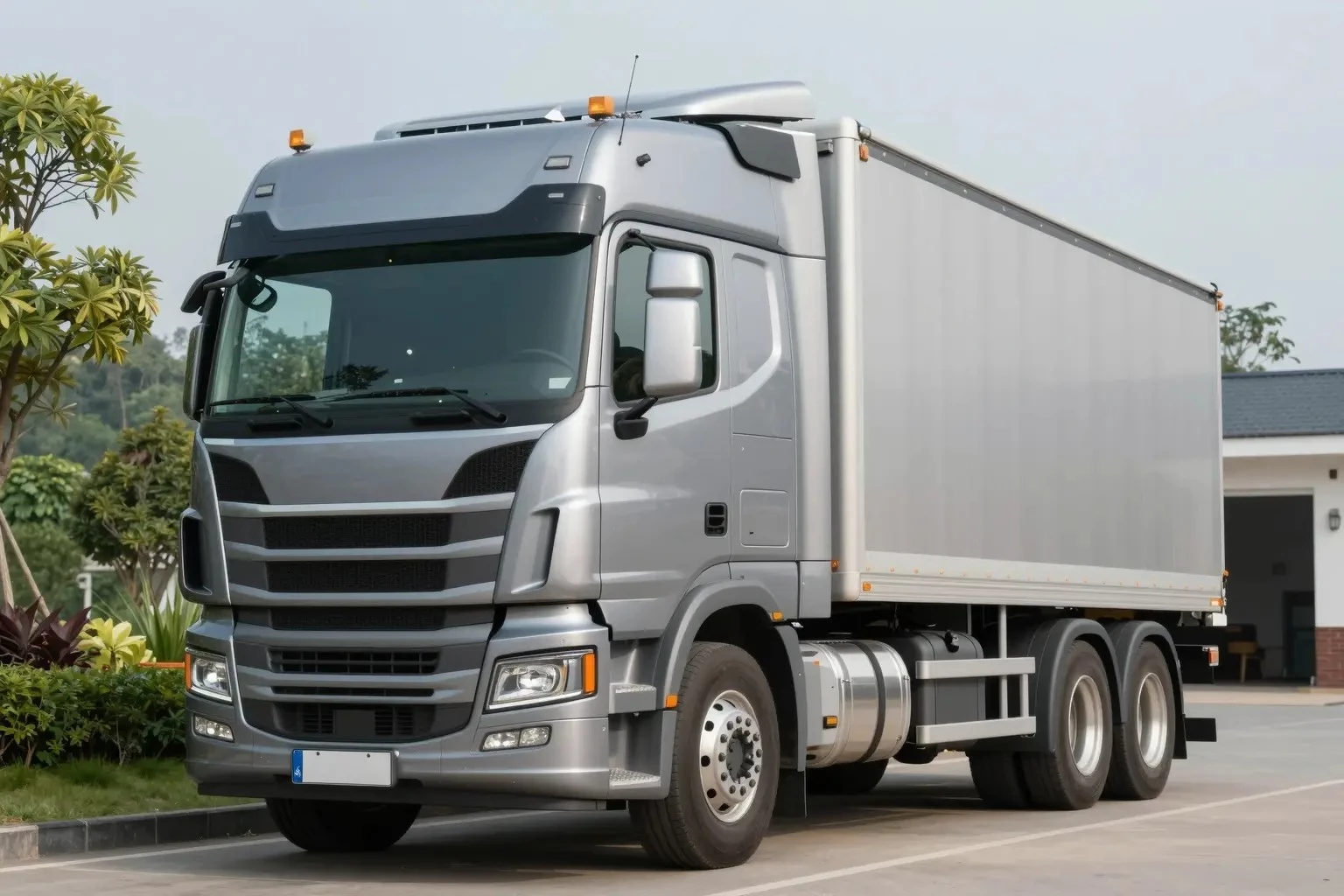
The trucking industry plays a vital role in the global economy by facilitating the movement of goods. However, with the increasing focus on sustainability and cost-efficiency, trucking companies like TMC Transportation are implementing various strategies to optimize fuel efficiency and reduce environmental impact. One such strategy is managing truck idling. This article explores whether TMC Transportation allows truck idling and the broader implications of such policies.
Understanding Truck Idling
Truck idling refers to running a truck’s engine while the vehicle is stationary. While there are certain situations where idling is necessary, such as maintaining driver comfort during rest periods, excessive idling can lead to increased fuel consumption and emissions. The transportation industry is becoming increasingly aware of these issues, leading to the implementation of stricter idle restrictions.
TMC Transportation’s Approach to Idling
TMC Transportation is a prominent player in the trucking industry, known for its commitment to fuel efficiency and sustainable operations. The company has developed specific engine idling policies to balance operational needs with environmental responsibilities. These policies are crucial for regulatory compliance and minimizing the company’s environmental footprint.
Company Policies on Idling
TMC Transportation’s company policies emphasize reducing unnecessary idling to improve fuel efficiency and lower operational costs. Drivers are encouraged to adhere to these policies through comprehensive driver training programs. By doing so, TMC Transportation not only enhances its sustainability efforts but also optimizes its fleet management practices.
Driver Comfort and Idling
While minimizing idling is essential for environmental and economic reasons, TMC Transportation recognizes the importance of driver comfort. The company ensures that its policies consider the well-being of drivers, allowing for necessary idling during rest periods or extreme weather conditions. This approach aims to balance fuel efficiency with the health and safety of drivers.
Regulations and Compliance
The trucking regulations regarding idling vary across states and regions. TMC Transportation must navigate these regulations to ensure regulatory compliance. This involves staying updated with the latest trucking regulations and implementing practices that align with legal requirements.
Environmental Impact and Emissions Control
Excessive idling contributes significantly to air pollution and greenhouse gas emissions. By enforcing strict idling policies, TMC Transportation aims to reduce its environmental impact. The company invests in technologies and practices that support emissions control, contributing to a cleaner and more sustainable environment.
Fuel Consumption and Operational Costs
Reducing idling is directly linked to decreased fuel consumption, which in turn reduces operational costs. TMC Transportation prioritizes this aspect to maintain competitive pricing and improve overall profitability. Efficient fuel use is a critical factor in the company’s fleet management strategy.
Truck Maintenance and Idling
Prolonged idling can lead to increased wear and tear on truck engines, impacting truck maintenance schedules. TMC Transportation’s policies on idling help prolong the lifespan of vehicles by minimizing unnecessary engine use. This proactive approach reduces maintenance costs and enhances vehicle reliability.
In conclusion, TMC Transportation implements structured engine idling policies that align with industry standards and regulatory requirements. While the company aims to minimize idling for environmental and economic benefits, it also prioritizes driver comfort and safety. Through effective driver training and adherence to trucking regulations, TMC Transportation successfully balances fuel efficiency with operational needs, contributing to a more sustainable and efficient transportation industry.