
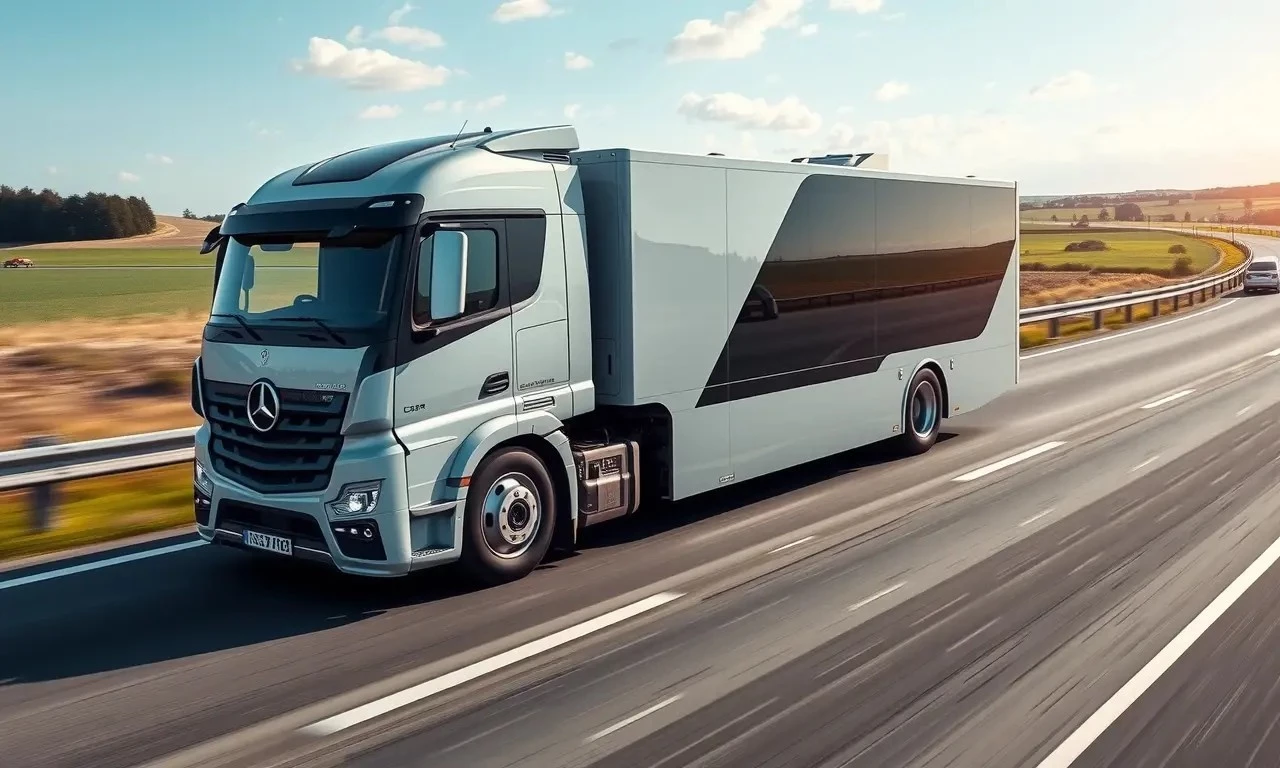
As the transportation industry continues to evolve, the integration of self-driving technology into commercial vehicles is becoming increasingly prevalent. Companies like Arnold Transportation are at the forefront of this technological wave, exploring the potential benefits of automatic trucks and autonomous vehicles to revolutionize the way freight is transported across the country.
The Rise of Autonomous Vehicles in the Transportation Industry
The concept of driverless trucks is no longer a distant future. Autonomous vehicles are being tested and implemented in various sectors, with the trucking companies seeing significant interest due to the potential for increased transportation efficiency and reduced operational costs. The advent of automated driving systems is transforming the way companies manage their logistical operations, offering new avenues for fleet management and logistics.
Arnold Transportation’s Approach to Automatic Trucks
Arnold Transportation, a key player in the long-haul trucking sector, has been exploring the adoption of self-driving technology to enhance their service offerings. Although specifics about their current fleet of automatic trucks are not publicly detailed, it is anticipated that they are investing in research and development to keep pace with industry changes.
The integration of technology within Arnold Transportation’s operations could significantly improve transportation efficiency. By using automated driving systems, they can potentially reduce fuel consumption, optimize routes, and increase the overall safety of their commercial vehicles.
Impact on Truck Drivers
The introduction of driverless trucks certainly raises questions about the role of truck drivers. While there is concern about job displacement, the reality is that human oversight is still crucial. Many autonomous vehicles require a human in the loop for regulatory compliance and to handle complex driving scenarios that technology alone cannot manage.
Arnold Transportation might consider a hybrid approach where truck drivers are trained to operate alongside self-driving technology, ensuring a seamless transition and maintaining employment levels while increasing job safety and efficiency.
Safety Features in Autonomous Vehicles
Safety is a paramount concern when it comes to transportation innovation. Automatic trucks are equipped with advanced safety features such as collision avoidance systems, real-time monitoring, and adaptive cruise control. These technologies aim to prevent accidents and ensure the safety of both the vehicle and other road users.
Regulatory Compliance and Challenges
The deployment of autonomous vehicles involves navigating a complex landscape of regulatory compliance. Trucking companies like Arnold Transportation must adhere to federal and state regulations that govern the use of self-driving technology. Ensuring compliance is critical to avoid legal ramifications and to foster public trust in driverless trucks.
The Future of Freight Transport with Autonomous Vehicles
The potential benefits of freight transport using driverless trucks are vast. Reduced labor costs, improved fuel efficiency, and minimized human error can lead to substantial savings for companies and a more resilient supply chain. As technology integration continues, Arnold Transportation is likely to benefit from these advancements, enhancing their competitive edge in the trucking industry.
While it is unclear to what extent Arnold Transportation has currently adopted automatic trucks, their involvement in the ongoing evolution of transportation innovation is undeniable. Embracing autonomous vehicles could position them as leaders in the transportation industry, provided they effectively manage the challenges of technology integration, regulatory compliance, and the evolving role of truck drivers.