
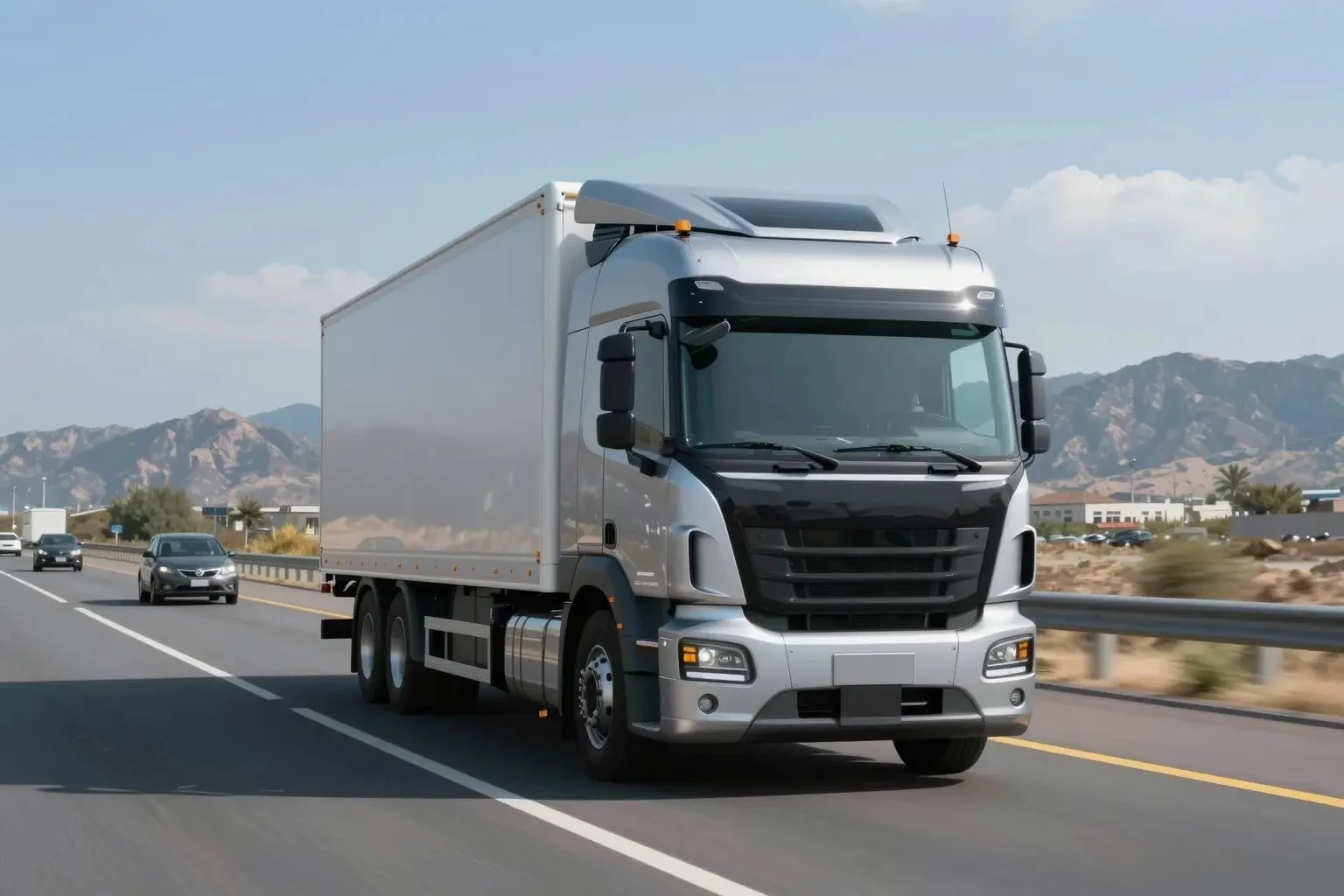
The trucking industry is a cornerstone of the global transportation and logistics sectors, playing a vital role in the supply chain by ensuring timely delivery of goods․ Recent advancements in technology, particularly the rise of autonomous vehicles and self-driving technologies, have introduced new opportunities and challenges in achieving quality in trucking transportation․ A critical question arises: do quality trucking companies leverage automatic trucks to enhance their operations?
The Emergence of Automatic Trucks
Automatic trucks, often referred to as driverless or autonomous vehicles, represent a significant innovation in the commercial vehicle sector․ These trucks utilize a combination of sensors, cameras, radar, and advanced algorithms to navigate roads and transport freight without human intervention․ The potential benefits of automatic trucks are vast, including increased safety, improved efficiency, and substantial cost savings․
Benefits of Automatic Trucks in Trucking Transportation
- Safety: With advanced sensors and real-time data processing, automatic trucks can significantly reduce accidents caused by human error․
- Efficiency: These trucks can operate continuously without the need for breaks, thus maximizing delivery schedules and minimizing delays․
- Cost Savings: By reducing labor costs and improving fuel efficiency through optimized driving patterns, automatic trucks offer substantial economic benefits․
Fleet Management and Automatic Trucks
The integration of automatic trucks into fleet management systems is transforming the logistics industry․ Companies can track and manage their commercial vehicles more effectively, leading to enhanced operational efficiency and improved service quality․
Key Innovations in Fleet Management
Fleet management systems that incorporate automatic trucks benefit from several innovations:
- Real-Time Monitoring: Continuous tracking of vehicle status and location helps in proactive maintenance and route optimization․
- Data Analytics: Advanced analytics provide insights into vehicle performance, fuel consumption, and delivery patterns․
- Predictive Maintenance: Automated systems predict and prevent potential mechanical failures before they occur․
Industry Trends in Trucking and Transportation
The trucking industry is witnessing several industry trends driven by the adoption of automatic trucks and other innovative technologies․ These trends are reshaping the landscape of freight transportation and logistics․
Key Industry Trends
- Increased Automation: Automation is streamlining operations, reducing manual interventions, and enhancing productivity․
- Supply Chain Integration: Seamless integration of transportation with other supply chain processes is crucial for end-to-end logistics solutions․
- Focus on Sustainability: Eco-friendly technologies and fuel-efficient vehicles are becoming priorities for many companies․
The Challenges of Adopting Automatic Trucks
Despite the numerous benefits, the adoption of automatic trucks in trucking transportation faces several challenges․ Addressing these challenges is essential for achieving quality in logistics operations․
Major Challenges
- Regulatory Hurdles: Varying laws and regulations across regions pose challenges for the widespread deployment of autonomous vehicles․
- Technological Limitations: While technology is advancing rapidly, there are still limitations in terms of sensor accuracy and decision-making algorithms․
- Public Perception: Gaining public trust in autonomous vehicles is crucial for broader acceptance and adoption․