
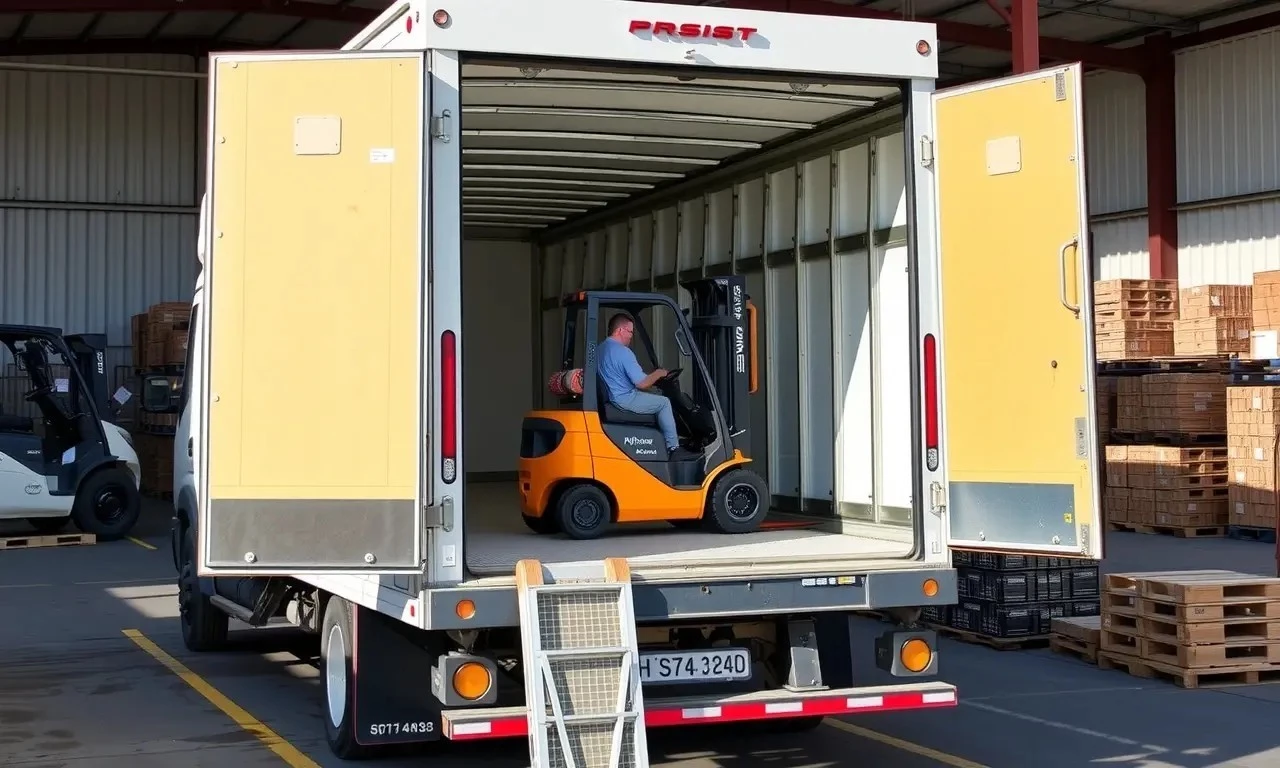
Transporting heavy equipment like a forklift requires careful planning and consideration of various factors such as vehicle dimensions, weight limits, and safety regulations․ A box truck, known for its cargo space and enclosed structure, is often considered for such tasks․ This article examines whether it is feasible to transport a forklift in a box truck by exploring key aspects such as loading, unloading, safety, and logistics․
Understanding Box Truck Dimensions and Capacity
Box trucks, also known as commercial vehicles, come in various sizes and are commonly used for transportation and logistics due to their cargo space and enclosed design․ When considering a box truck for transporting a forklift, it is crucial to understand its dimensions and capacity․
- Dimensions: Box trucks are available in different lengths, typically ranging from 10 to 26 feet․ The height and width of the cargo area are also important to consider, especially for the safe loading and unloading of forklifts․
- Capacity: The weight limit of a box truck is vital in determining its suitability for carrying a forklift․ Most box trucks have a payload capacity ranging from 3,000 to 10,000 pounds, but this varies with the truck’s specific model and design․
Forklift Specifications
Forklifts are essential in logistics for handling and transporting pallets and heavy goods․ However, they come with their own set of specifications that affect their transportation in a box truck․
- Weight: The average weight of a forklift can range from 4,000 to 9,000 pounds, depending on its type and capacity․ Therefore, ensuring that the box truck’s weight limit can accommodate the forklift is crucial․
- Dimensions: Forklift dimensions, including length, width, and height, must be considered to ensure they fit comfortably within the box truck’s cargo space․
- Handling: Proper equipment, such as a ramp or liftgate, must be available to handle the forklift during loading and unloading procedures․
Loading and Unloading Considerations
Loading and unloading a forklift into a box truck require careful handling to maintain safety and prevent damage to both the vehicle and equipment․ Here are some key considerations:
- Safety: Ensure that the loading process follows all safety regulations to prevent accidents․ This involves securing the forklift properly within the cargo space․
- Securing Equipment: Use appropriate securing equipment such as straps and locks to prevent movement during transportation․
- Accessibility: A box truck should have proper access points, such as a rear door or liftgate, to facilitate easy loading and unloading of the forklift․
Logistics and Transportation Regulations
Transporting a forklift in a box truck involves adhering to specific logistics and transportation regulations to ensure compliance and safety․
- Regulations: Check local and national transportation regulations that may apply when transporting heavy equipment in commercial vehicles․
- Maneuverability: Consider the maneuverability of the box truck with the additional weight of the forklift, as this impacts transportation efficiency and safety․
- Rental Services: If you do not own a suitable box truck, rental services are available․ Ensure that the rental vehicle meets the necessary specifications for transporting a forklift․
While it is possible to transport a forklift in a box truck, it requires careful planning and consideration of several factors including vehicle dimensions, weight limits, and safety measures․ Ensuring proper loading and unloading techniques, securing the equipment, and adhering to logistics and transportation regulations are essential steps to ensure a safe and successful transport․ Whether for personal or commercial purposes, understanding these key aspects will facilitate the efficient and safe transportation of a forklift using a box truck․