
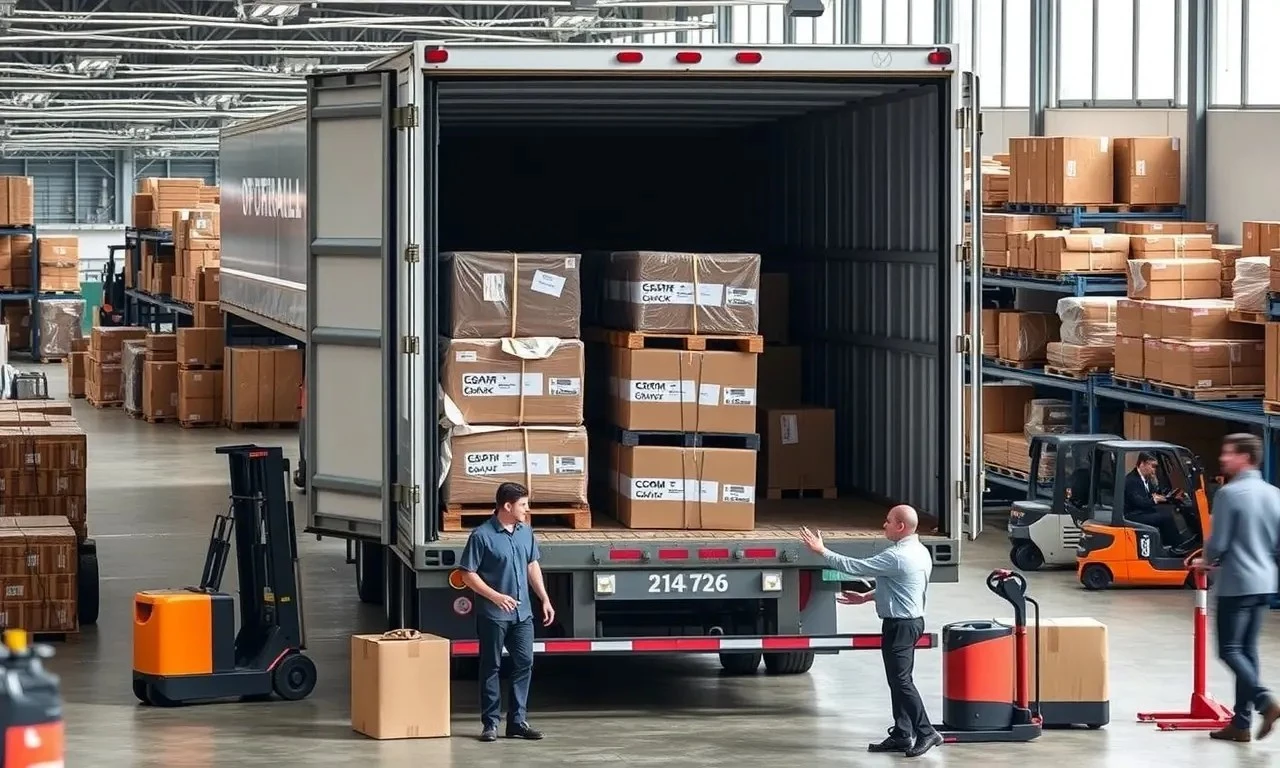
The concept of less-than-truckload (LTL) transport plays a crucial role in the trucking industry, allowing companies to ship small shipments that do not require a full truckload. This model is essential for businesses that focus on cost-effectiveness and efficiency in their supply chain. But can LTL transport be effectively managed with a fleet of just 20 trucks? Let’s explore the intricacies of LTL freight, the potential of a 20-truck operation, and the factors that influence its success.
Understanding LTL Transport
LTL transport is a method of shipping that consolidates freight from multiple shippers into a single truck, making it ideal for businesses that have cargo smaller than a full truckload. This approach maximizes load capacity and improves the efficiency of transportation. LTL transport is particularly advantageous for palletized goods and can significantly reduce distribution costs by sharing expenses among multiple clients.
The Role of a 20-Truck Fleet
A 20-truck fleet can be a viable solution for managing LTL transport, especially for companies aiming to maintain a streamlined and nimble operation. Here are some reasons why:
- Route Optimization: With a smaller fleet, logistics managers can focus on optimizing routes, ensuring efficient delivery schedules and minimizing fuel consumption.
- Cost-Effectiveness: Operating fewer trucks can reduce overhead costs, including maintenance, labor, and fuel, ultimately benefiting the company’s bottom line.
- Flexibility: A 20-truck fleet allows for greater adaptability in meeting diverse customer needs and adjusting to fluctuating shipping demands.
Challenges and Considerations
While a 20-truck operation presents several benefits, there are also challenges and considerations to keep in mind:
- Load Capacity: Managing load capacity efficiently is essential to avoid underutilization of trucks, which can lead to increased costs.
- Transport Regulations: Compliance with transport regulations is crucial to ensure legal operations and avoid penalties.
- Freight Management: Effective freight management is necessary to handle multiple clients and shipment types, requiring robust systems and software.
Strategies for Success
To successfully manage LTL transport with a 20-truck fleet, companies should consider the following strategies:
- Invest in Technology: Utilize advanced logistics software for efficient freight management and route optimization.
- Enhance Customer Service: Offer reliable and timely deliveries to build strong client relationships and maintain a competitive edge.
- Focus on Sustainability: Implement eco-friendly practices to reduce environmental impact and appeal to environmentally conscious clients.